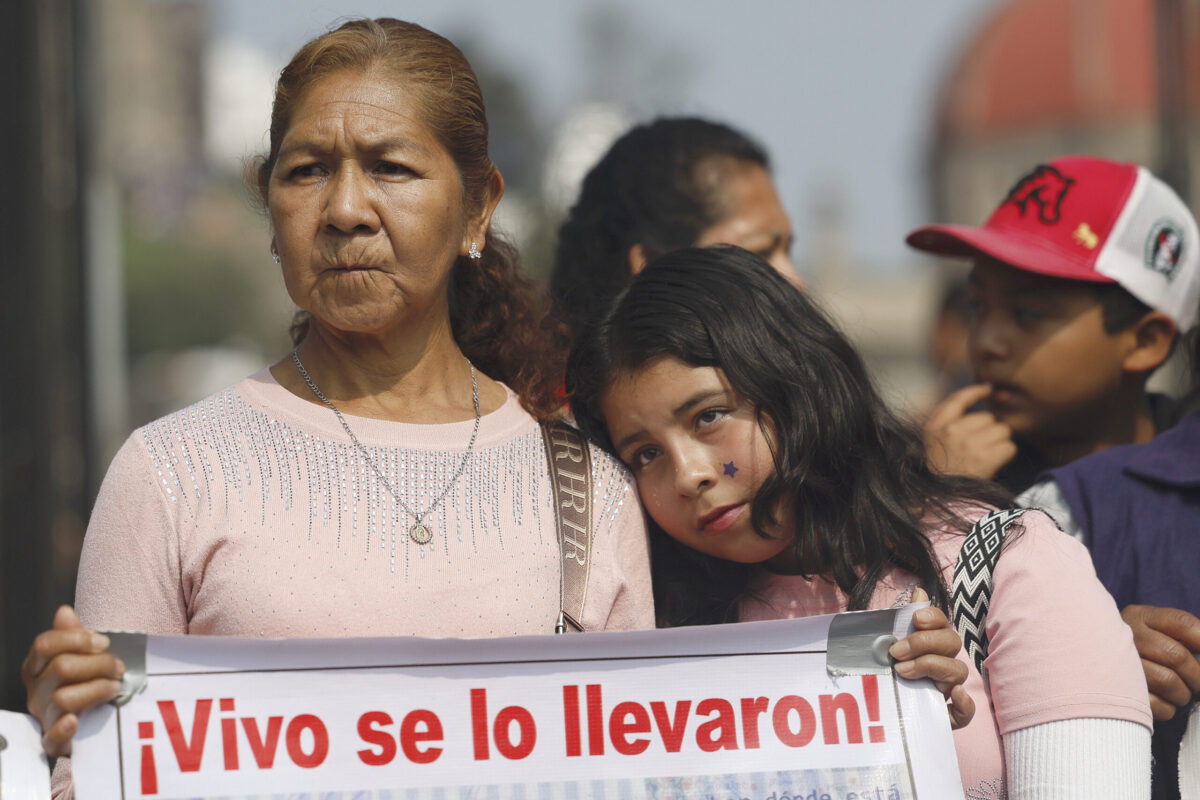

In Mexico, there are approximately 165,000 children and adolescents who could be the sons and daughters of missing persons, a population that remains largely invisible due to the lack of official records.
The estimate was presented at a meeting on disappearances in Mexico, based on the report “Daughters and Sons of Missing Persons in Mexico: National Estimate, Institutional Invisibility and Urgent Obligations,” prepared by Tejiendo Redes Infancia América Latina y el Caribe and Infancia Latina.
The document is based on 103,176 records of people between the ages of 15 and 49 who remained missing or unaccounted for as of August 2026 and, through an exploratory estimate, calculates approximately 165,000 daughters and sons potentially linked to this group.
According to the report’s authors, the figure is not an official count and is not intended to replace an institutional registry, but rather to measure the affected population and highlight the lack of information needed to link missing persons with their families.
As well as how many people there are in total, their ages, what their needs are, and what assistance they receive.
In an interview with Aristegui en Vivo, Olga Susana Méndez Arellano, president of the State Human Rights Commission of Nuevo León (CEDHNL), said that the objective is to recognize families as indirect victims and, at the same time, children and adolescents as rights holders.
“What we wanted was to promote the perspective and the obligation of authorities to recognize people as indirect victims and, in turn, as rights holders.”
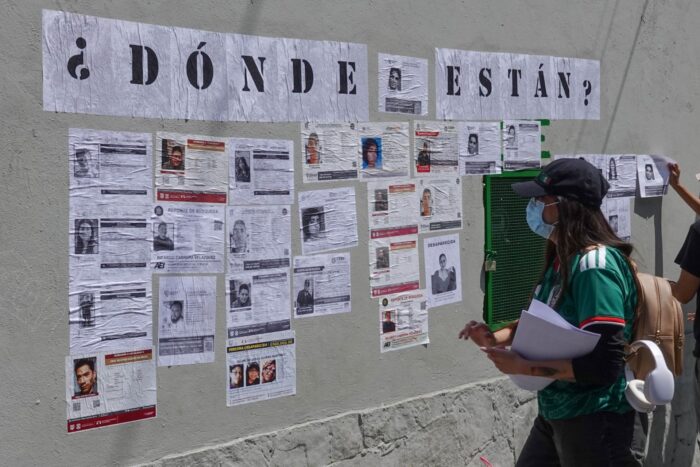
She said that a participatory hearing was held to listen directly to children and adolescents affected by the disappearance of a family member.
Méndez Arellano emphasized that there is still a lack of knowledge about how their daily lives change, what happens to their academic performance, how disappearance is addressed within families, and what information they receive.
In many cases, she said, adults choose to hide the disappearance from them in order to protect them, although this lack of information can also have consequences.
“Many times, the truth is hidden from them so as not to hurt them,” she said, warning that consequences include fear, sadness, changes to their life plans, and the risk of dropping out of educational institutions.
Meanwhile, María Luisa Castellanos López, president of Buscadoras de Nuevo León, also said in an interview that assistance for children affected by disappearances is only beginning.

“When it comes to assistance for children, it is still in its early stages; we are just beginning.”
Castellanos López said that for years, families have focused their efforts on being recognized as victims and demanding effective searches, but the impact of disappearances on children and adolescents had not been addressed with the same emphasis.
She also warned that the problem is not limited to sons and daughters. It also affects brothers, sisters, nieces, nephews and grandchildren of missing persons, who may become involved in search efforts and experience their own consequences.
The president of Buscadoras de Nuevo León said that families have identified cases in which children and adolescents require psychological assistance and face substance use, self-harm, and bullying at school.
However, she questioned whether the assistance available always includes the differentiated approach provided for under the General Law on Victims.
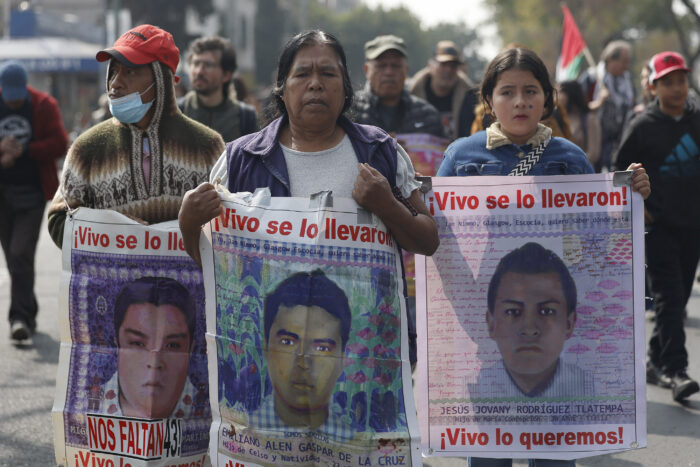
“We still have a lot of work to do,” she acknowledged, although she considered that joint work with the CEDHNL and Tejiendo Redes Infancia could become a starting point for promoting public policies that place children at the center of assistance.
Castellanos López knows the consequences of a disappearance firsthand because she has been searching for her husband and brother-in-law, Nicolás and Reyes, since 2011; 15 years after the events, she still has no certainty about where they disappeared.
She explained that both families continue working with authorities from different states because it has not been established whether the disappearance occurred in Nuevo León or Tamaulipas, where the vehicle they were traveling in was found.
While the search continues, she said, her sons and daughters have grown up and moved forward with their lives, while she continues the search for her relatives and supports other families of missing persons.
Finally, both interviewees emphasized that the report identifies as urgent tasks the identification of daughters and sons of missing persons and understanding their needs.
They also called for guaranteeing comprehensive assistance, ensuring their participation in decisions that affect their lives, and strengthening accountability among authorities.
The statements come ahead of the International Day of the Victims of Enforced Disappearances, commemorated on August 30, which this year seeks to refocus attention on the impact on families of a crisis that does not end with the disappearance of a person.
Source: aristeguinoticias