
The El Niño phenomenon continues to strengthen and could reach very strong, even historic, intensity by the end of 2026, which would have effects in different regions of Mexico ranging from a greater likelihood of intense hurricanes to more severe cold fronts and drought conditions during 2027.
Specialists from the Institute of Atmospheric Sciences and Climate Change (ICAyCC) of the UNAM stated that, according to estimates from the U.S. National Oceanic and Atmospheric Administration (NOAA), the phenomenon will continue developing over the coming months.
The impacts, however, will not be the same throughout the country. Alejandro Jaramillo Moreno, a UNAM specialist, explained that during the fall and winter there could be above-normal rainfall in some regions of northern and western Mexico, while toward the beginning of spring the possibility of drier conditions would increase across large areas of the central, southern, and southeastern parts of the country.
Will El Niño Cause More Hurricanes in Mexico?
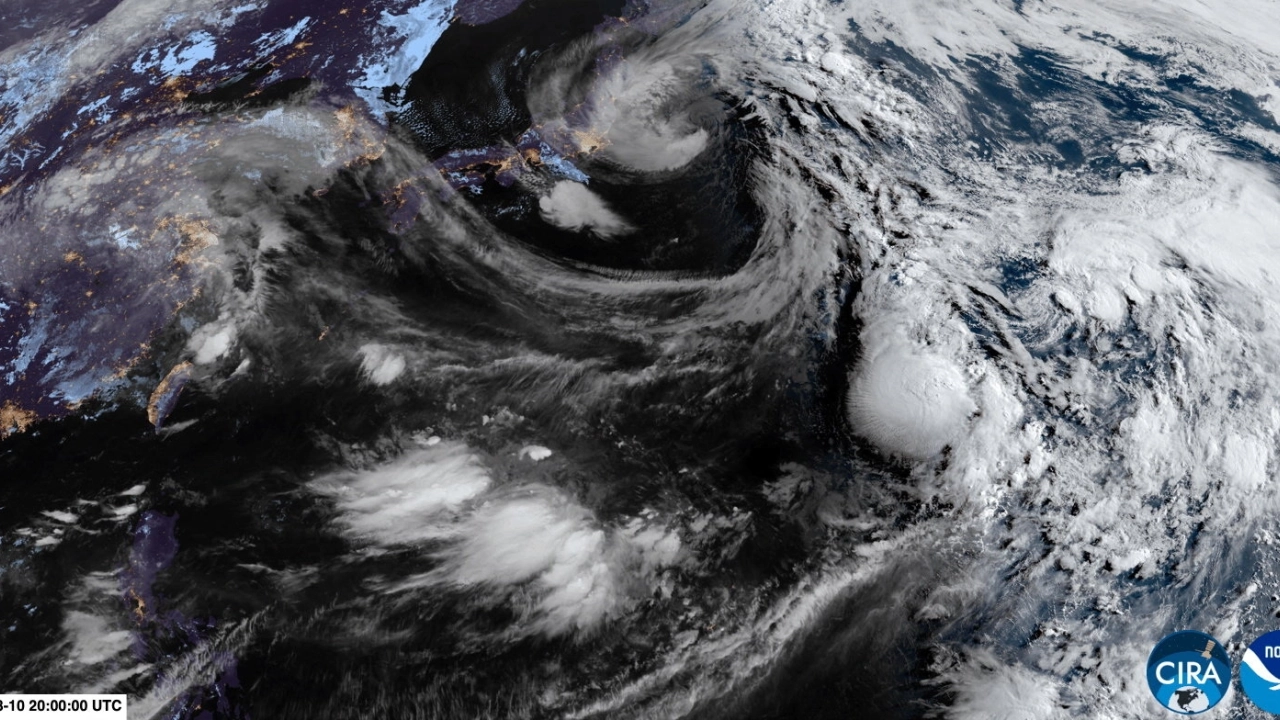
One of the first effects could be observed during the final stretch of the current tropical cyclone season.
Jorge Zavala Hidalgo, a researcher at the ICAyCC, explained that between September and December, an increase in ocean heat content is expected in the Mexican Pacific. In addition, between September and November, the probability of major-category hurricanes would increase.
An increase in temperatures is also anticipated in northern regions of the country during September.
This does not mean that a hurricane will necessarily make landfall in Mexican territory, but rather that the conditions associated with El Niño can modify cyclonic activity and increase the probability of stronger systems.
Cold Fronts Could Be More Severe and Last Longer
The effects of El Niño would not end with the hurricane season. For the fall-winter period, UNAM specialists anticipate a greater number of cold fronts, which could also be more severe and prolonged.
At the same time, some regions of the country could receive more rainfall. Between January and March 2027, an increase in precipitation is expected in northeastern Mexico.
The scenario shows that El Niño can produce contrasting effects: while some areas could experience above-normal rainfall, others could subsequently face a precipitation deficit.
Drought and Wildfires: The Risks for 2027
The outlook could change significantly as 2027 progresses. According to estimates presented by UNAM researchers, the number of wildfires could increase between February and June, while from April to June a decrease in rainfall is expected in the central, southern, and southeastern parts of the country.
Precisely in these latter regions, the possibility of drought between April and June 2027 would also increase. In addition, there could be a greater number of days with poor air quality, particularly in cities.
The specialists also warned about the impact these conditions could have on agriculture. Carolina Ureta Sánchez noted that the phenomenon could become a food security problem, since both insufficient and excessive rainfall can affect agricultural and livestock activities.
The researcher proposed strengthening early warning systems and providing producers with specific climate information, including corn producers in states such as Oaxaca and Guerrero, to facilitate decisions about which seeds to use and when to plant.
What Can Mexico Do About El Niño?
Faced with an episode that could extend its effects through 2027, specialists consider it necessary to increase monitoring and preparedness starting now.
Among the measures proposed are the development of early warning systems and maps of vulnerable areas, greater epidemiological surveillance, coordination with the agricultural and livestock sectors, and the establishment of shelters to deal with heat waves.
These spaces should have cool conditions, hydration, and medical care, particularly to protect children, pregnant women, and older adults.
The ICAyCC will also seek collaboration with institutions from the health sector, Civil Protection, and the National Meteorological Service to monitor the 2026–2027 El Niño episode and prepare for its possible impacts.
Source: eleconomista