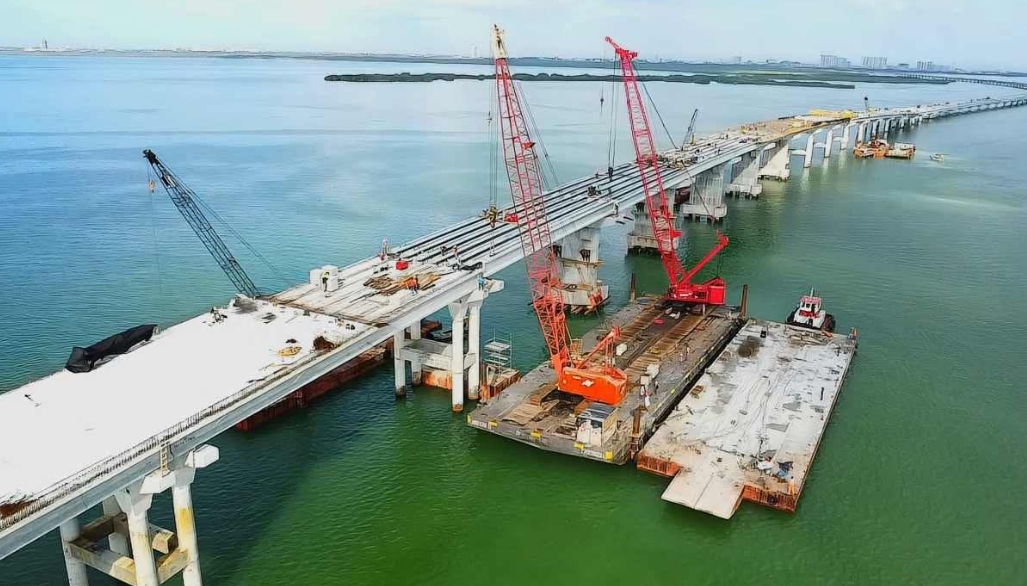

The idea for what is now called the Nichupté Bridge didn’t originate in an office at Los Pinos (the presidential residence) or in a rushed bidding process by the current administration. It emerged in 2006, when a group of businesspeople presented the project to the then-mayor of Benito Juárez, Francisco Alor Quesada—who had been in office since 2005—and subsequently took it to Governor Félix González Canto.
The project was included in the Cancún 2030 Strategic Plan for Sustainable Development, a municipal document from the Benito Juárez City Council, primarily driven by the Municipal Planning Institute (IMPLAN). Between 2006 and 2009—and formally documented since 2007—it was already being presented as the major transportation solution to connect the mainland with the Hotel Zone by crossing the Nichupté Lagoon.
But as happens with so many projects in Mexico, the bridge was shelved, forgotten in a drawer for more than a decade. Until the federal government rescued it, made it a priority, and touted it as the great connectivity project for Cancún.
The result is well-known: what was supposed to cost 5.57 billion pesos ended up devouring 12.021 billion pesos of public funds. That is, practically double the budgeted amount. In dollars, a little over 600 million. To give you an idea of the magnitude: more than 1.073 billion pesos per kilometer.
Yes, you read that right: more than 1 billion pesos for each kilometer of bridge.
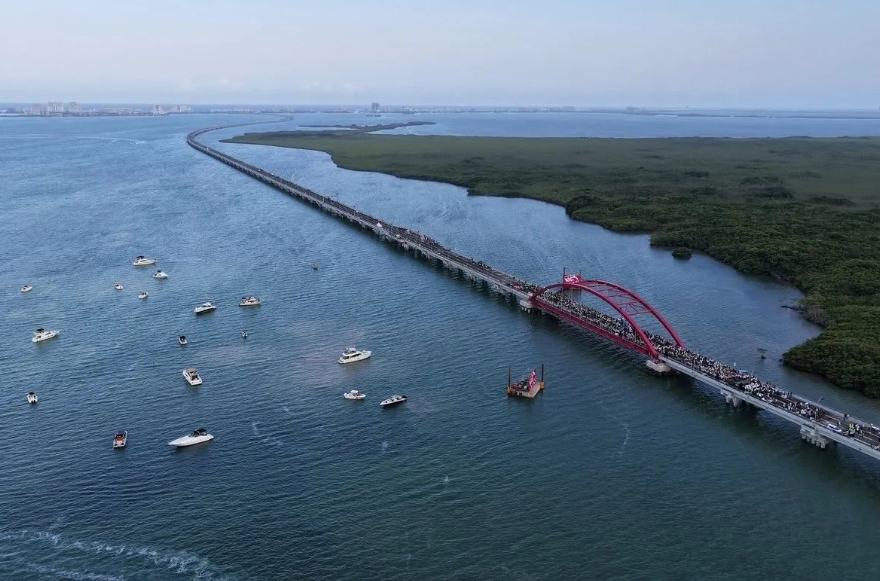
The concession to build and operate it went to David Martínez, the third-largest shareholder of Grupo Televisa and one of the most influential businessmen in the country. Not content with the lucrative construction contract, the same businessman will be paid an additional 1.848 billion pesos for the maintenance of the project for 20 years.
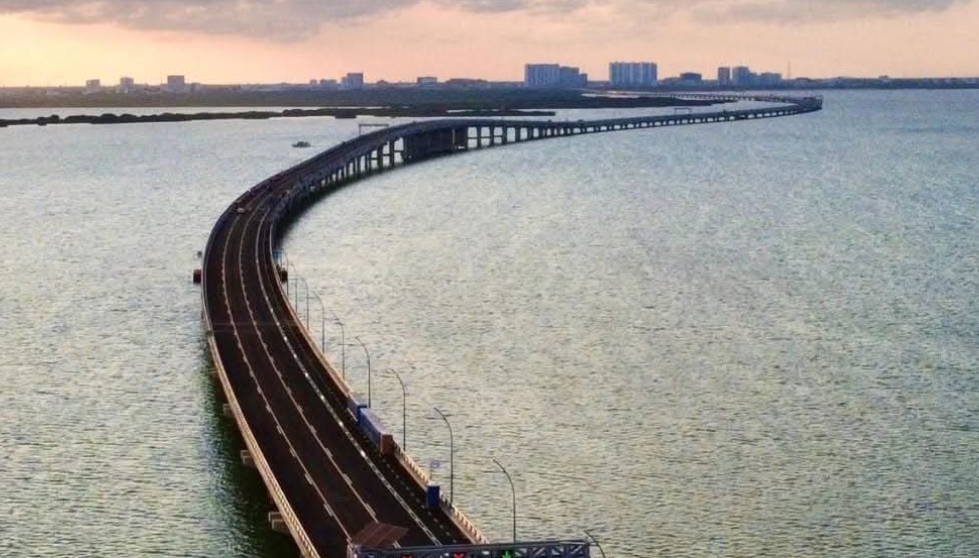
In total, this project, spanning a mere 11.2 kilometers, will end up costing taxpayers 14.165 billion pesos.
Once again in Mexico, a project that began as an urban planning proposal has become a monument to cost overruns and private profiteering with public funds.
The Nichupté Bridge not only crosses the lagoon: it also crosses the line of what citizens are willing to tolerate.
Source: mexicodailypost