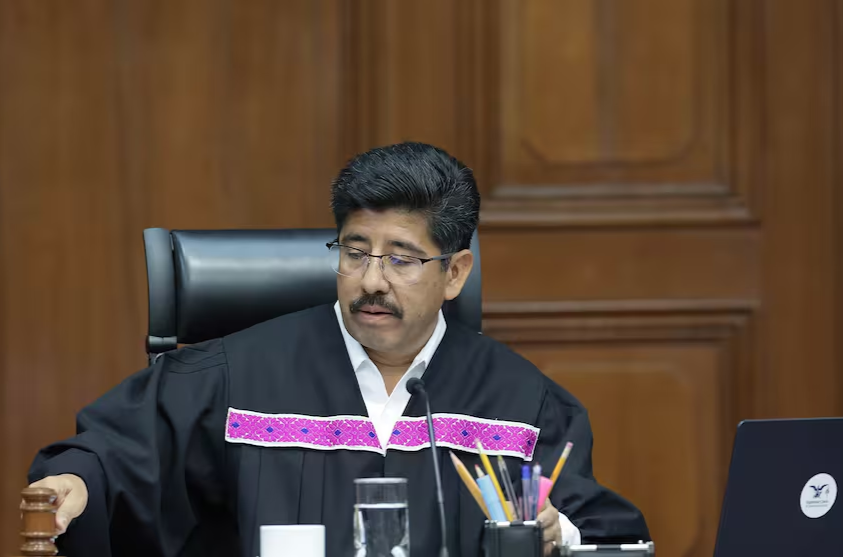

Mexico’s Supreme Court of Justice of the Nation (SCJN) declared several provisions of the Regulations to the Transportation Law of Baja California Sur unconstitutional because they required federal tourist transportation concessionaires and permit holders to obtain an additional temporary permit issued by state authorities in order to operate on roads under local jurisdiction.
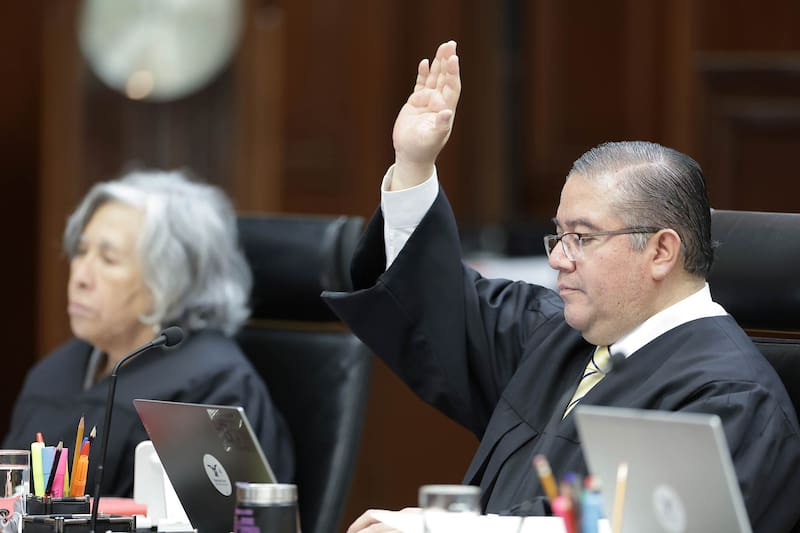
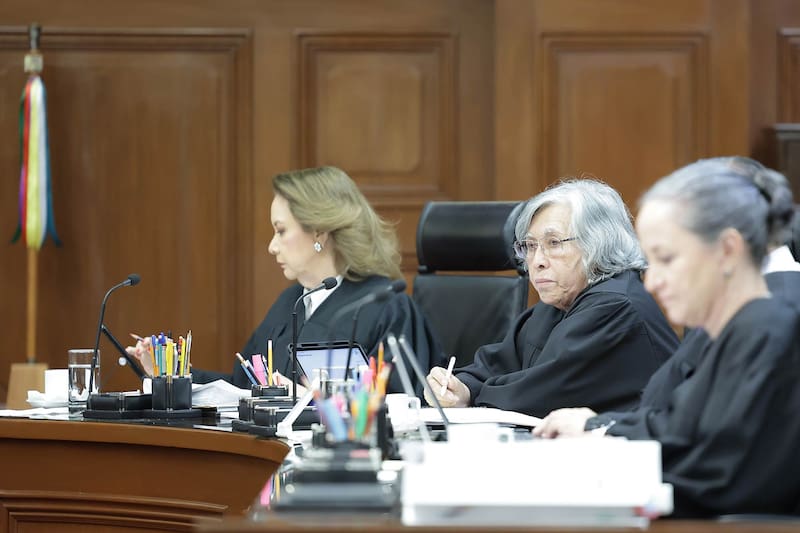
During its June 23, 2026 plenary session, the justices ruled that these requirements encroached upon the exclusive authority of the federal government, since the regulation of federal motor transportation falls under the jurisdiction of the Congress of the Union and the Ministry of Infrastructure, Communications and Transportation (SICT), as established by the Constitution and federal law.
When announcing the decision, the Supreme Court stated that the local provisions:
“Invaded the federal sphere of authority and imposed additional conditions that alter the substantive content of permits issued by the federal authority,” making them incompatible with the constitutional framework governing federal tourist transportation.
Why Did the Supreme Court Invalidate Baja California Sur’s Permit Requirement?
The Court explained that Article 73, Section XVII of the Mexican Constitution grants the Congress of the Union exclusive authority to legislate on general communication routes.
Based on this constitutional authority, Congress enacted the General Communication Routes Law and the Federal Roads, Bridges, and Motor Transportation Law, which reserve to the federal government the power to regulate, supervise, inspect, and sanction federal transportation services.
The Supreme Court also clarified that federal tourist transportation operates under federal permits and is authorized to travel throughout the country without being subject to specific routes or schedules.
Additionally, these federal permits allow operators to pick up and drop off tourists at ports, airports, and passenger terminals, even when trips include sections of roads under state jurisdiction. Therefore, state governments may not impose additional operating requirements.
What Does This Ruling Mean for Tourist Transportation?
With this decision, the Supreme Court invalidated Articles 6 and 47 Bis of the Regulations to the Transportation Law of Baja California Sur, finding that they imposed obligations beyond the state’s legal authority.
The ruling establishes that:
- The temporary permits required by Baja California Sur for federal tourist transportation are no longer valid.
- Regulation of federal motor transportation is the exclusive responsibility of the federal government.
- States cannot modify or add conditions to federally issued transportation permits.
- Federal tourist transportation may continue operating without restrictions on routes or schedules.
- The General Mobility and Road Safety Law prohibits states and municipalities from overregulating federal transportation or imposing charges on the movement of people and goods.
The ruling stems from Constitutional Controversy No. 180/2025, decided by the Supreme Court in plenary session on June 23, 2026, and reinforces the principle that state governments may not interfere with powers constitutionally reserved to the federal government, including the regulation of federal tourist transportation.
Source: cronista