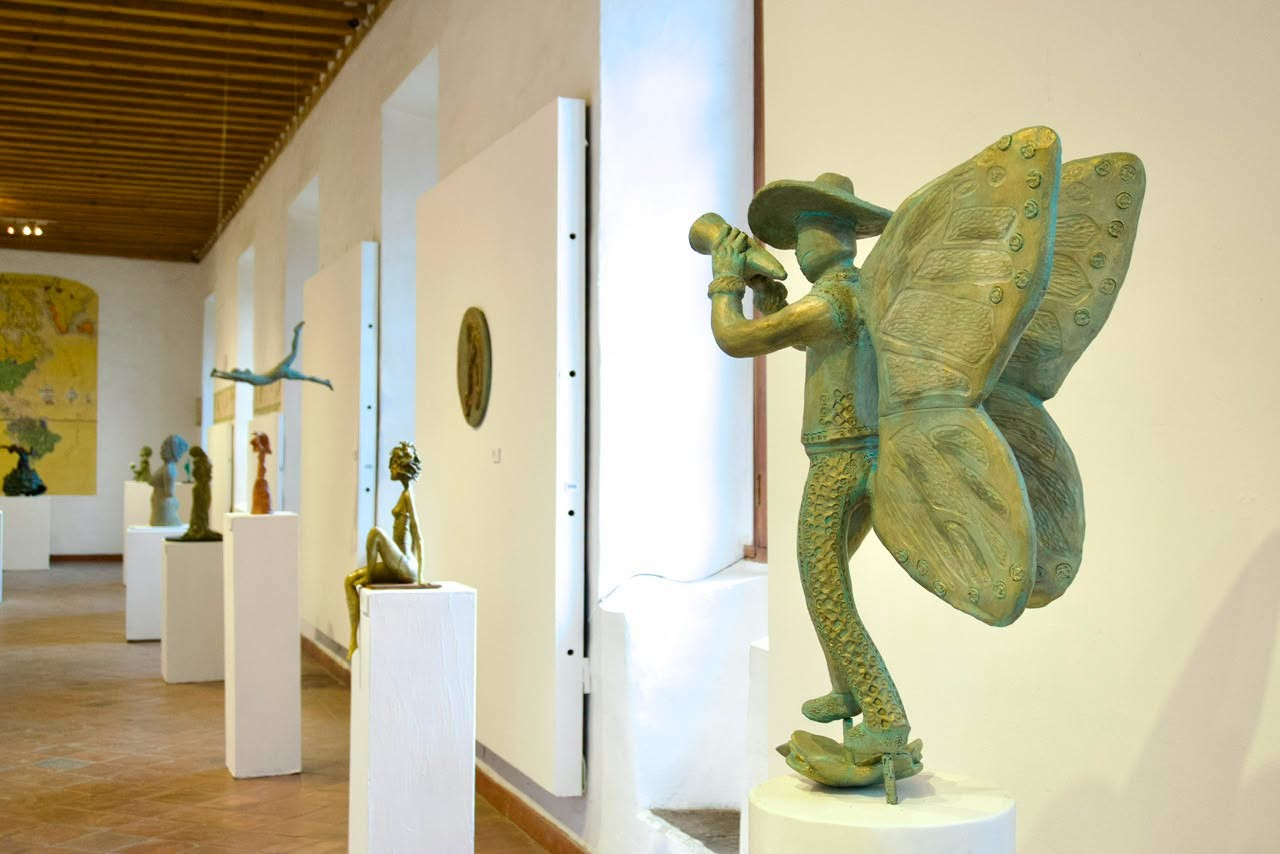

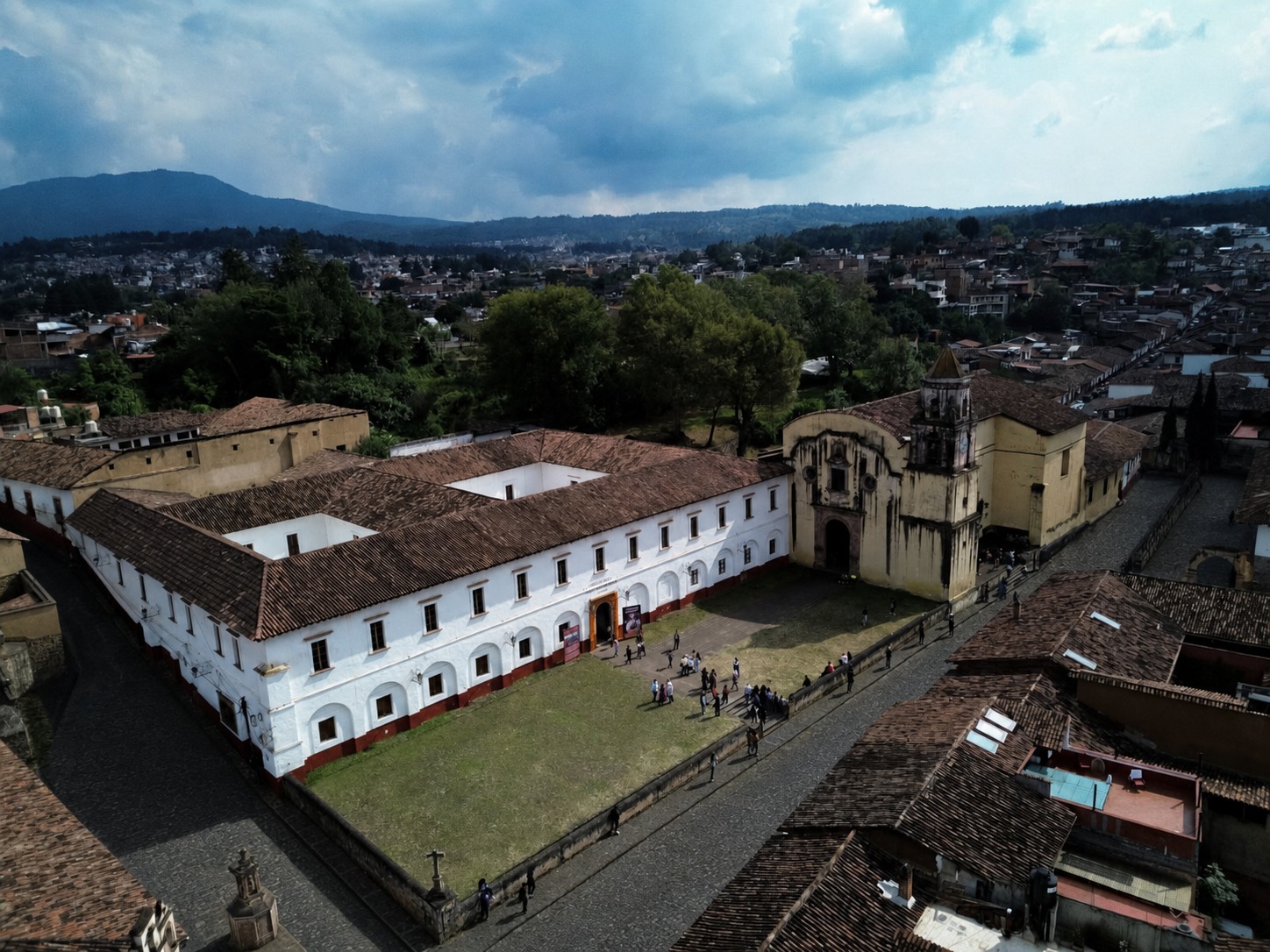
If you visit Pátzcuaro this summer, be sure to include the Old Jesuit College Cultural Center in your itinerary, a place where history, art, and architecture converge. The site was the second college founded by the Society of Jesus in New Spain and is now one of Michoacán’s most emblematic heritage sites.
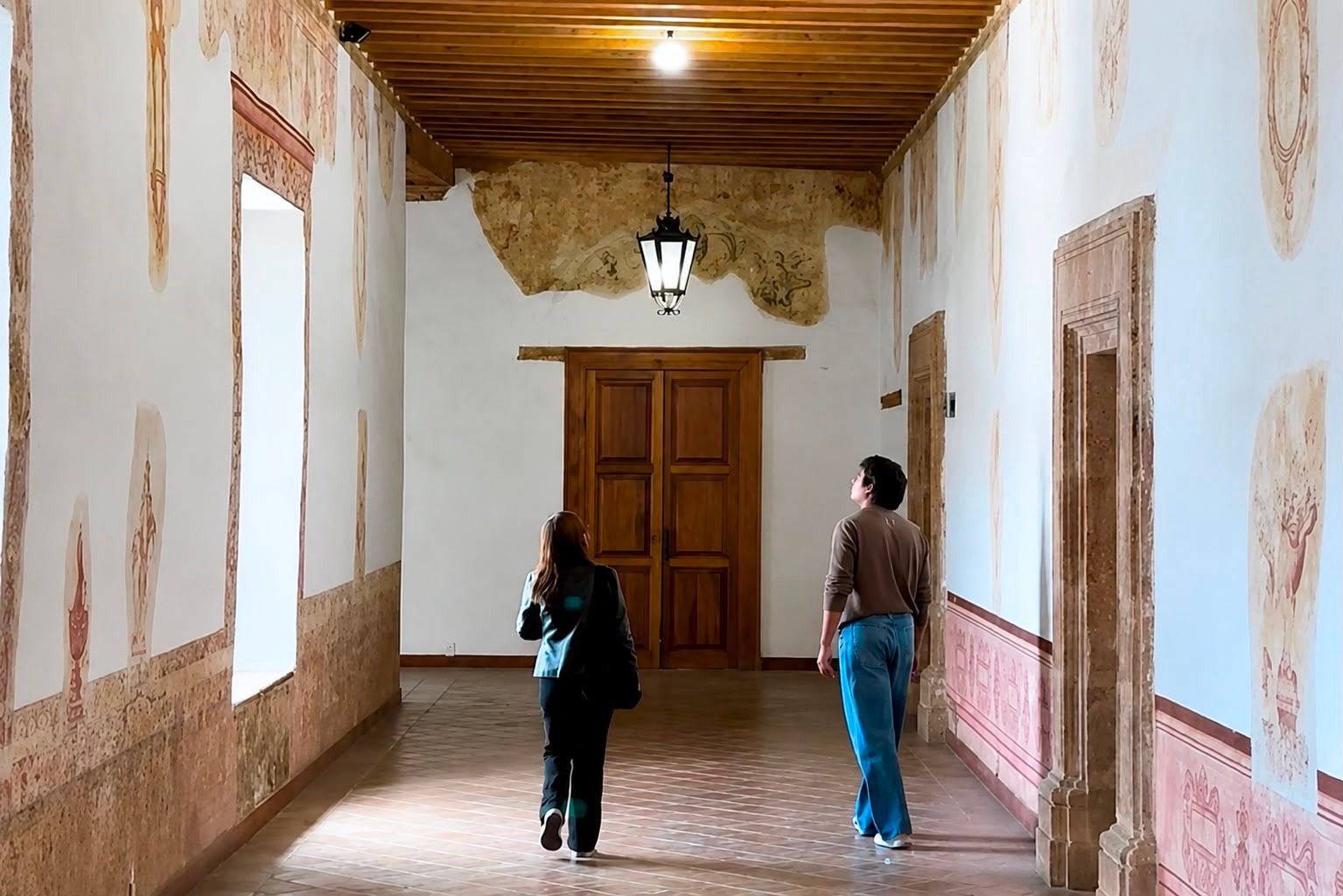
Historian Fernando Mendoza Molina explained that the building preserves the understated elegance of Spanish and Mexican Baroque, evident in its lintels, arches, doors, and windows. Its spacious courtyards, walls, staircases, and arcades retain part of the original layout. Furthermore, it stands atop the remains of the ancient Purépecha lordship, so exploring it allows you to observe different periods of history.
After the expulsion of the Jesuits in 1767, the building served various purposes: it was a primary school, an extension of the Diocesan Seminary of Morelia, a military barracks, a tenement, and the site of the Vasco de Quiroga Primary School. Maps, drawings of plants and animals, and other traces of school life still survive from this later period, etched on its walls. After years of deterioration, a citizen initiative spearheaded its restoration during the 1990s.
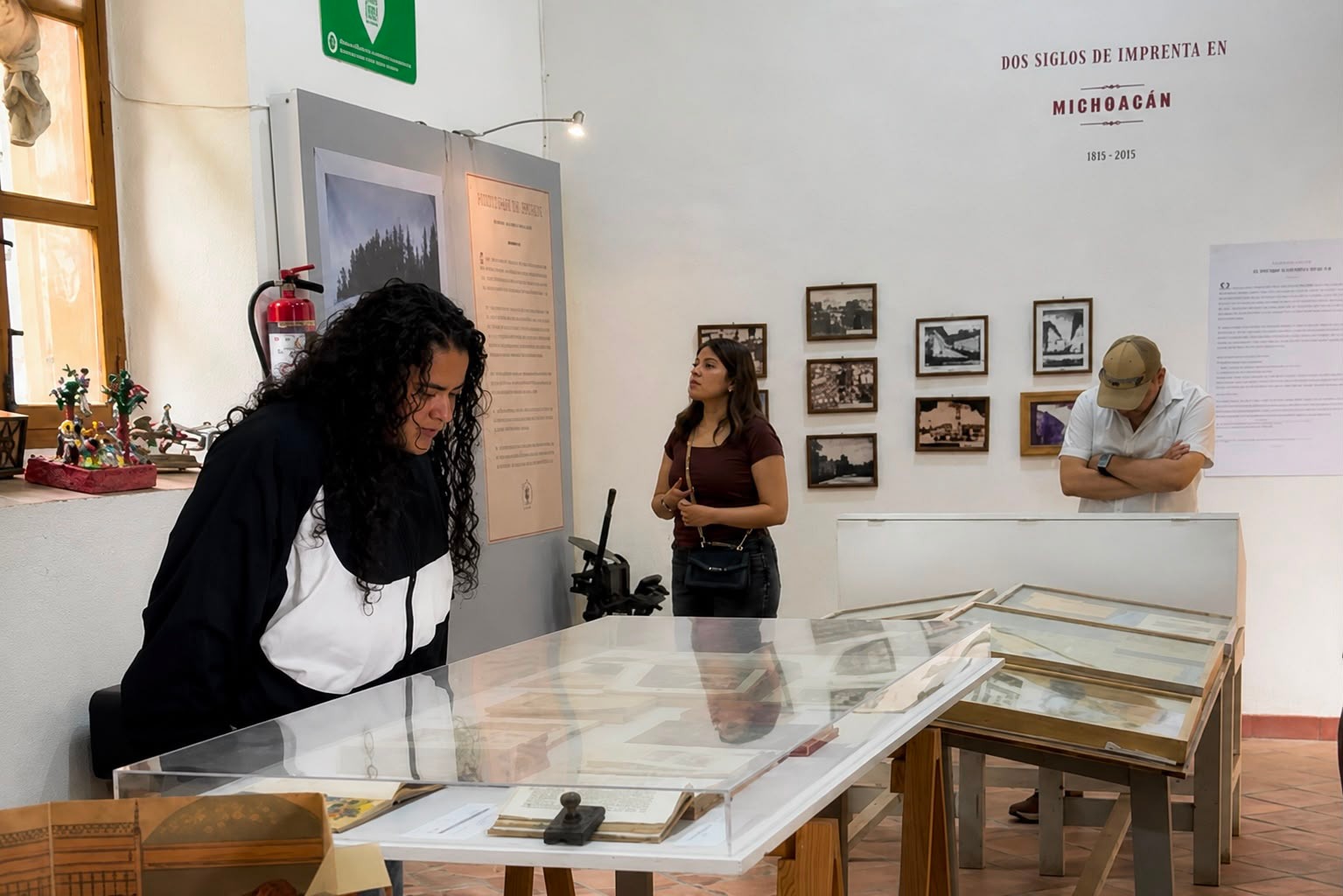
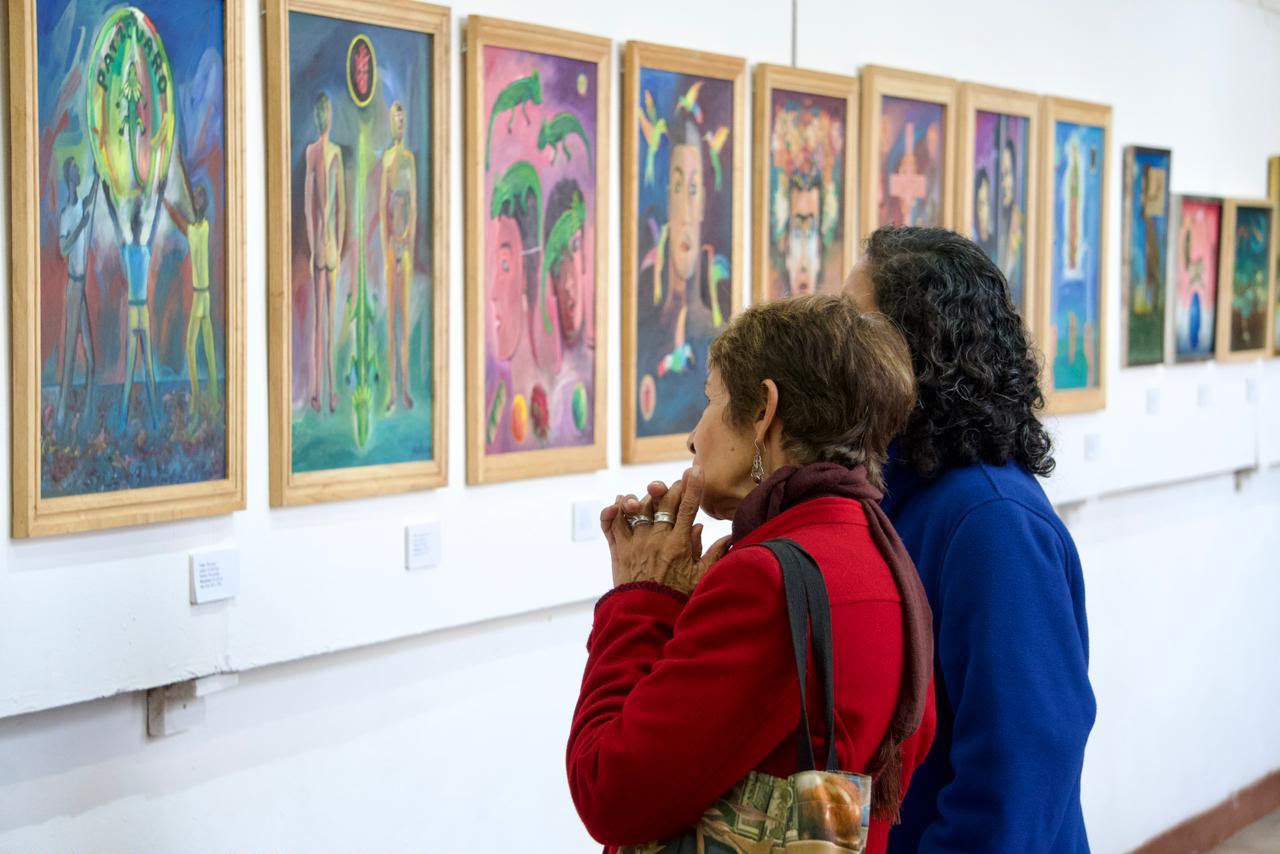
Among its former students was José María Anzorena, from Pátzcuaro, who was appointed the first insurgent intendant of Valladolid and, by order of Miguel Hidalgo, issued one of the first decrees abolishing slavery in 1810. Currently, the building maintains its educational and artistic vocation with temporary exhibitions, cultural activities, and a renowned printmaking workshop that offers courses open to the public.
The Michoacán Ministry of Culture invites you to discover the history of the Old Jesuit College, explore its courtyards, and be amazed by the cultural richness of the site.
Source: cultura.michoacan